來源 | 英國金融時報
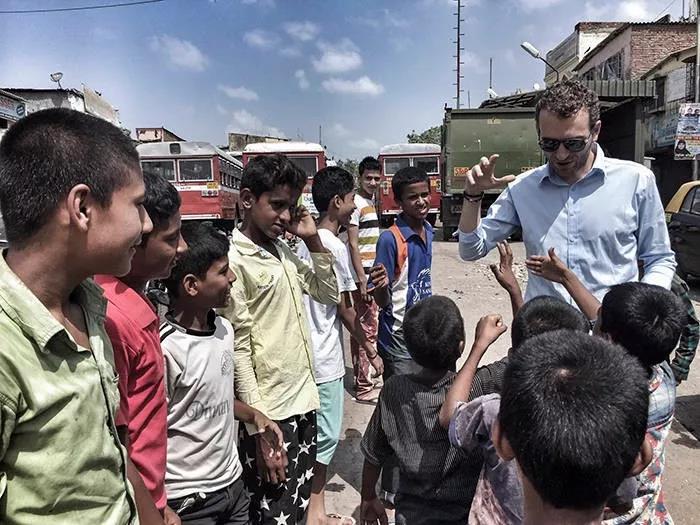
企業(yè)家亞歷山大·馬爾斯(Alexandre Mars)是一個連續(xù)創(chuàng)業(yè)者�����,我們在之前的文章介紹過這位"法國的比爾·蓋茨"。在出售創(chuàng)立的最后一家企業(yè)與創(chuàng)建史詩基金會(Epic Foundation)之間���,他花了幾個月時間一邊與妻子和孩子旅行���,一邊與當(dāng)?shù)氐姆钦M織和社會企業(yè)家見面,親身體驗社會貧困與不平等�����,這也是為什么史詩基金會把使命放在支持全球兒童和青年慈善事業(yè)��。
這當(dāng)然是一個企業(yè)家成長為慈善家最好的自我發(fā)現(xiàn)與探索之路�。但并不是所有的企業(yè)家在成為慈善家之前都會進(jìn)行這樣的探索。盡管許多人在出售企業(yè)后會捐出資金�����,但還有一些人認(rèn)為�����,如果企業(yè)家捐贈者繼續(xù)建設(shè)自己的企業(yè),他們可以做更多的事情來支持他們的慈善事業(yè)���。
馬爾斯說:"經(jīng)營企業(yè)的同時做慈善很困難��,他們需要有效的解決方案�����。"本文中我們通過富達(dá)等慈善資產(chǎn)和財富管理機(jī)構(gòu)所做的調(diào)研發(fā)現(xiàn)�����,除了慈善家�、慈善機(jī)構(gòu)��,這些居間服務(wù)機(jī)構(gòu)是如何通過系統(tǒng)的分析和戰(zhàn)略準(zhǔn)備來幫助企業(yè)家縮短篩選的過程�,并做出有效的戰(zhàn)略決策。
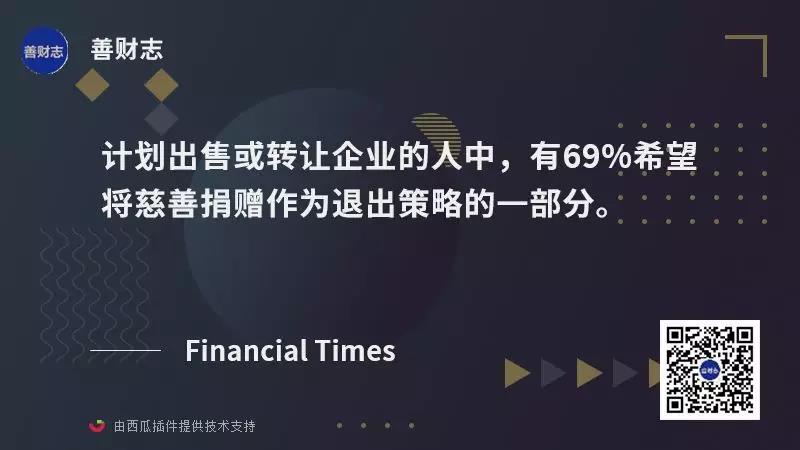
富達(dá)慈善基金會(Fidelity Charitable)去年發(fā)布的一項研究發(fā)現(xiàn)�����,計劃出售或轉(zhuǎn)讓企業(yè)的人中,有69%希望將慈善捐贈作為退出策略的一部分��。但仍在創(chuàng)業(yè)的企業(yè)家會發(fā)現(xiàn)�,他們很難將注意力轉(zhuǎn)移到戰(zhàn)略性捐贈上。
戰(zhàn)略性捐贈通常需要認(rèn)真研究��,以找到最有效的慈善機(jī)構(gòu)和值得投資的社會企業(yè)�����,并努力追蹤捐贈的成效����。"除了缺乏對社會組織的了解和對所取得的影響力的評估,缺乏時間實際上是捐贈的三大障礙之一�����,"馬爾斯說�����,他建立了史詩基金會��,希望使捐贈者從經(jīng)過審查的慈善機(jī)構(gòu)中進(jìn)行選擇,并監(jiān)測他們捐贈的影響��。
企業(yè)家的另一個障礙是���,他們往往不愿意簡單地開支票����。相反����,他們希望將自己作為商業(yè)創(chuàng)造者所培養(yǎng)的解決問題的技能應(yīng)用到慈善事業(yè)中,這也需要時間�����。Beacon Collaborative的聯(lián)合創(chuàng)始人卡思·德維(Cath Dovey)表示:"要想把錢捐得好�����,比你想象的要難�����。"Beacon Collaborative旨在鼓勵富人捐得更多。"那些白手起家積累財富的人不會平白無故捐錢�����,所以他們不會輕易給第一個出現(xiàn)在他們面前的組織捐款����。"
盡管這些限制看上去影響了企業(yè)家制定慈善戰(zhàn)略���,但在某些情況下�����,他們比其他公民更強(qiáng)烈希望支持解決社會或環(huán)境問題的組織��。
富達(dá)慈善研究發(fā)現(xiàn)���,美國企業(yè)家的慈善捐款平均比非企業(yè)主高出50%,即每年3577美元����,同比非企業(yè)主為2383美元。富達(dá)慈善基金會總裁帕梅拉·諾利(Pamela Norley)表示:"這個捐款數(shù)字似乎很小�����,但它表明,當(dāng)財富更多時����,可能出現(xiàn)的趨勢。"
在美國�����,稅收規(guī)定可能會對這種捐贈產(chǎn)生影響�����,因為這些規(guī)定使企業(yè)家在出售企業(yè)之前會承諾捐贈�����。這使它們能夠?qū)①Y本利得稅責(zé)任最小化��,并根據(jù)公平的市場價值���,對股票等資產(chǎn)進(jìn)行捐贈抵稅���。
然而�,富達(dá)慈善研究也表明�����,美國企業(yè)家對他們的捐贈有一種情感上的聯(lián)系���,79%的受訪者表示,他們認(rèn)為慈善捐贈是他們自我價值的一個重要組成部分�。
英國的企業(yè)家也表達(dá)了類似的慈善熱情。財富管理公 司Kleinwort Hambros委托YouGov對小企業(yè)主進(jìn)行的調(diào)查���,結(jié)果顯示44%的人每月向慈善機(jī)構(gòu)捐款���,平均每月126英鎊,每年1512英鎊���。財富管理公司Stanhope Capital首席執(zhí)行官兼創(chuàng)始合伙人丹尼爾·平托(Daniel Pinto)表示:"在出售企業(yè)之前���,企業(yè)家越來越多地參與慈善活動。"
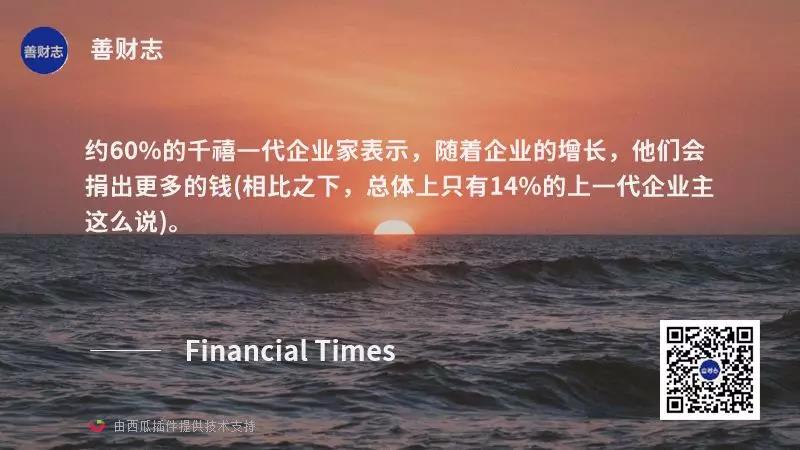
對于年輕的企業(yè)主來說����,他們的捐贈與公司的發(fā)展有著緊密的聯(lián)系。在YouGov的調(diào)查中,約60%的千禧一代企業(yè)家表示��,隨著企業(yè)的增長����,他們會捐出更多的錢(相比之下,總體上只有14%的上一代企業(yè)主這么說)���。平托表示:"談到下一代���,尤其是千禧一代,人們希望將商業(yè)和慈善結(jié)合起來����。他們對負(fù)責(zé)任的投資非常敏感。"
盡管受訪者表達(dá)了對捐贈的熱情��,但德維認(rèn)為�����,企業(yè)家�����,尤其是千禧一代,在出售企業(yè)之前���,向慈善機(jī)構(gòu)捐贈更多��。她說:"他們已經(jīng)在自己的企業(yè)中創(chuàng)造了財富���,我們知道他們在成長過程中有著更強(qiáng)的社會意識,所以現(xiàn)在是時候讓年輕一代參與進(jìn)來了�����。"
一些組織確實正在這么做著���。例如,史詩基金會鼓勵企業(yè)家將公司股份捐贈給慈善機(jī)構(gòu)���,讓員工和客戶參與捐贈����。日內(nèi)瓦全球(Geneva Global)�����,一家慈善咨詢公司,為全球事業(yè)的捐贈者提供戰(zhàn)略�、研究和贈款管理服務(wù)。咨詢公司全球慈善(Global Philanthropy)與財富管理機(jī)構(gòu)Kleinwort Hambros和法國興業(yè)銀行(Societe Generale)合作����,幫助客戶整合他們的財富管理和慈善戰(zhàn)略。

非營利部門對此也做出了回應(yīng)�����。Kleinwort Hambros慈善部門主管麗貝卡?康斯特布爾(Rebecca Constable)表示:"慈善機(jī)構(gòu)本身正變得更具企業(yè)家精神���,它們正與企業(yè)主和企業(yè)家合作���,尋找將其(公司)文化與某些慈善事業(yè)結(jié)合起來的方式。" 她認(rèn)為����,讓慈善機(jī)構(gòu)了解這些潛在的捐贈者是很重要的,"一個優(yōu)秀的籌款慈善機(jī)構(gòu)的技能之一����,就是與企業(yè)家接觸,了解個人期待并準(zhǔn)備做出怎樣的承諾��。"
對于非營利組織來說,這樣做是有充分理由的�����。例如���,在Kleinwort Hambros調(diào)查中�����,15%的企業(yè)主表示��,如果營業(yè)額增長10%���,他們會做出更大的慈善捐贈(平均每月增加約100英鎊)�。僅這一項就能使慈善機(jī)構(gòu)每月多獲得8200萬英鎊的捐款。
德維認(rèn)為���,分析這些潛在的慈善基金意味著為企業(yè)家提供正確的支持���。她說:"我們需要為捐贈者提供解決方案,使得他們通過少量時間和研究就能制定有效的捐贈戰(zhàn)略����,并使得捐贈成為一生的習(xí)慣�。"

原題:How entrepreneurs can give strategically while still running a business-Business owners can find it difficult to divert attention to charity
來源:Financial Times
日期:2019年5月10日
Between selling the last of the businesses he founded and creating the Epic Foundation, which supports children and youth charities around the world, entrepreneur Alexandre Mars spent several months travelling with his wife and children, meeting local NGOs and social entrepreneurs and encountering poverty and inequality at first hand.
Not all entrepreneurs embark on such an exploration before becoming philanthropists. But while many follow the sale of a business by giving money away, some argue that more could be done to support entrepreneur donors while they are still building their enterprise."Running a business is hard," says Mars. "They need solutions."
Entrepreneurs often react to a liquidity event — industry speak for selling their company — by writing a large cheque or setting up a charitable foundation. A study published last year by Fidelity Charitable found that 69 per cent of those planning to sell or pass on their business want to make charitable giving part of the exit strategy.
But entrepreneurs still building a business can find it difficult to divert attention to strategic giving, which often requires research to find the most effective charities and social enterprises and efforts to track how their donations are being spent.
"Along with lack of trust in social organisations and lack of knowledge of the impact they achieve, lack of time is in fact one of the three main obstacles to giving," says Mars, who established Epic Foundation to enable donors to choose from charities that have been vetted and to monitor the impact of their gifts.
Another obstacle for entrepreneurs is that they are often reluctant to simply write cheques. Instead, they want to apply the problem-solving skills they have honed as business creators to their philanthropy — something that also takes time.
"It's harder than you think to give away well," says Cath Dovey, a co-founder of the Beacon Collaborative, which aims to encourage wealthy people to give more. "And what people who make their own money really dislike is feeling that they're throwing money down the drain, so they're not going to give to the first organisation that comes their way."
Still, while these constraints can make it hard for entrepreneurs to develop a philanthropic strategy, the desire among entrepreneurs to support organisations addressing social or environmental problems is strong — in some cases more so than among other citizens.
The Fidelity Charitable study found that US entrepreneurs donate 50 per cent more to charity on average than non-business owners — an annual $3,577 compared with $2,383 for non-business owners.
"The numbers seem small, but it's indicative of what may be to come when there's more wealth there," says Pamela Norley, president of Fidelity Charitable.
In the US, tax regulations may have an influence on this giving, since the rules make it attractive for entrepreneurs to commit to donations before selling the business. This enables them to minimise their capital gains tax liability and set off the donation of assets such as shares against their tax bill, based on their fair market value.
However, the Fidelity Charitable study also indicates that US entrepreneurs have an emotional connection to their giving, with 79 per cent of respondents saying they see charitable giving as a critical part of who they are.
Entrepreneurs in the UK express a similar enthusiasm for philanthropy. In a YouGov survey of small business owners commissioned by Kleinwort Hambros, the wealth management firm, 44 per cent said they gave money to charitable organisations every month, with an average of £126, or an annual £1,512.
"Entrepreneurs are increasingly involved in philanthropy before selling their business," says Daniel Pinto, chief executive and founding partner of Stanhope Capital, the wealth management firm.
For younger business owners, a strong link exists between their giving and the growth of their company. In the YouGov survey, some 60 per cent of millennial entrepreneurs said they would give more as the business grew (compared with 14 per cent of owners overall who said this).
Nor do today's entrepreneurs see their ability to make an impact solely in terms of grant making. "When you talk about the next generation, particularly the millennials, there is a desire to mix business and philanthropy. They are very sensitive to responsible investments," says Pinto.
But while survey respondents express enthusiasm for giving, Dovey believes that entrepreneurs, particularly the millennial generation, could be giving more to charity before they sell the business. "They're already wealth creators in their own businesses and we know they have grown up with a much more socially conscious mentality, so it's the right time to engage people," she says.
Organisations are emerging to do this. Epic Foundation, for example, enables entrepreneurs to pledge shares in their company to charity, to engage their employees and clients in giving.
Geneva Global, a philanthropic consultancy, provides strategy, research and grant management services for donors giving to global causes. And Global Philanthropic, an advisory, works with Kleinwort Hambros and French bank Société Générale to help clients integrate their wealth management and philanthropic strategies.
The non-profit sector is also responding. "Charities themselves are becoming more entrepreneurial and are working with business owners and entrepreneurs to find ways in which their [company's] culture can be aligned to certain charitable causes," says Rebecca Constable, head of philanthropy at Kleinwort Hambros.
She argues that it is important for charities to get to know these potential donors.
"Part of the skill of a good fundraising charity is to engage with the entrepreneur and to understand the level of involvement the individual wants and is prepared to commit," she says.
For the non-profit world, there is good reason to do so. In the Kleinwort Hambros survey, for example, 15 per cent of business owners said they would respond to a 10 per cent increase in turnover by making bigger charitable donations (with the average increase at about £100 a month). This alone would make an additional £82m a month available to charities.
Dovey argues that tapping into these potential philanthropic funds means providing entrepreneurs with the right support. "We need ways of engaging people that don't require huge amounts of time and research," she says. "We need to develop solutions to make sure that giving becomes a lifetime habit."